
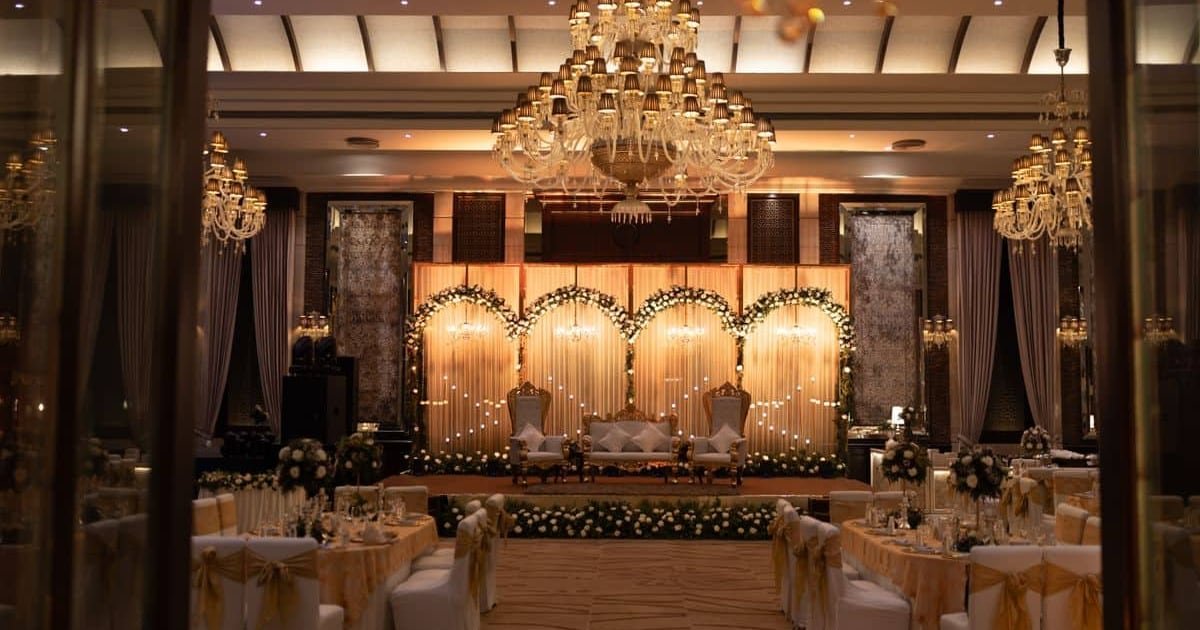
Ask a guest to describe a wedding they loved and they will rarely begin with the mandap. They will say the evening was cool, the seating was easy, grandmother was comfortable and nobody was left standing in the sun. That is farashkhana at work: the part of an event you only notice when it is missing.
What farashkhana really means
The word comes from farash, the old name for the person who spread the carpets and pitched the tents before a gathering. Today it covers everything that creates the physical setting of an event: shamiana and tents, flooring and mattresses, chairs, sofas, tables, drapes, and the setup and breakdown around them. It is where Shree Vallabh began, and it is still how we think: décor is the finishing touch, but comfort is the foundation.
Shade, ground and weather come first
Vadodara’s evenings can turn from warm to humid to rainy within a single season. A well-pitched shamiana, firm and level flooring, and good ventilation protect everything else you have paid for, from the flowers to the guests’ good mood. We walk the ground before we plan the layout, checking slope, drainage, power points and the route a guest will actually take from the gate to a seat.
Guests may not remember the chair they sat on, but they will always remember whether they were comfortable.
Seating is hospitality
A seating plan is a quiet form of respect. Elders belong near the stage and near the exits. Families belong together. Tables should be close enough for conversation and far enough apart for service staff to move freely. Soft mattress seating for ceremonies and sturdy chairs for dining are different needs, and a good plan gives each its place instead of forcing one answer on both.
A simple seating plan
- Stage or mandapThe focal point, visible from every seat.
- Family blockThe nearest seating, with easy access for elders.
- Guest tablesRound tables that encourage conversation.
- Clear aisleWide enough for service and for a grand entrance.
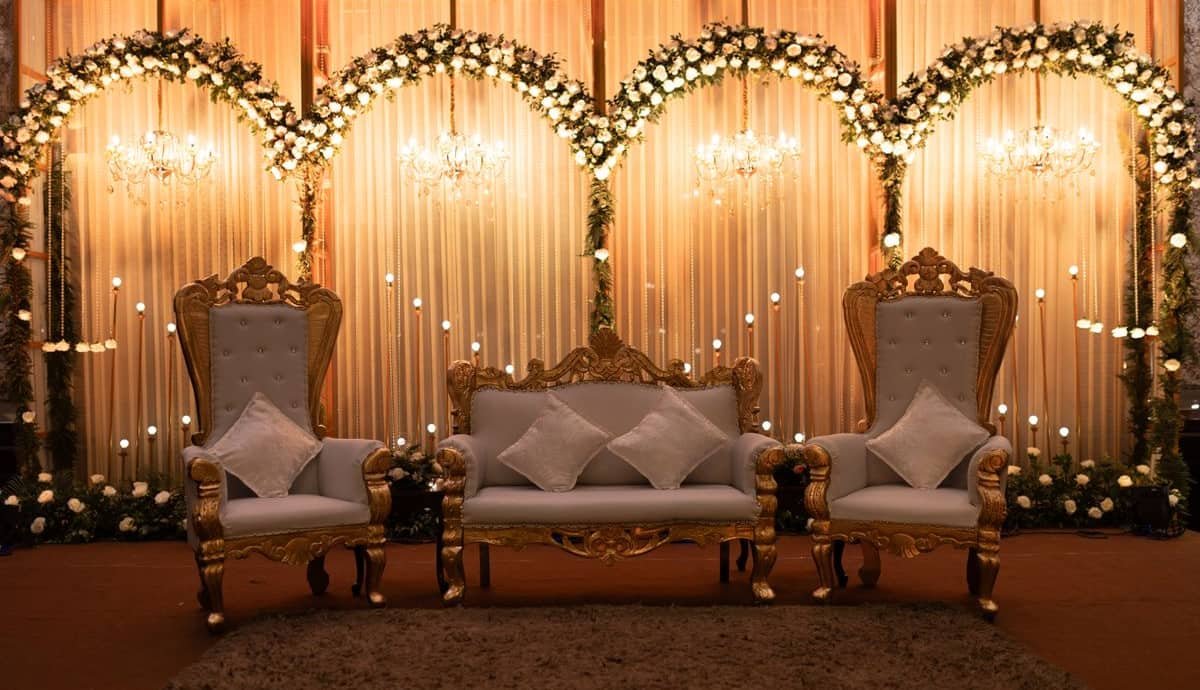
The work nobody applauds
Setup begins long before the first guest arrives and ends long after the last one leaves. Our own team handles both, because the person who sets up the venue should be the person who knows how it is meant to look and function. That continuity keeps small problems small, whether it is a wobbly table or a missing extension board at six in the evening.
Key takeaways
- Walk the venue before you plan the layout: ground, shade, power and routes matter more than they look.
- Plan seating for different people: elders, families, children and service staff each need something different.
- Choose a team that handles setup and breakdown itself, so responsibility never gets passed around.